Preventive Maintenance vs. Car Repair: Key Differences and Benefits
Keeping a vehicle dependable requires more than responding when something goes wrong. Drivers also need to take steps that can reduce wear, identify developing problems, and keep major systems operating as intended. Preventive maintenance and car repair both play important roles in vehicle ownership, but they serve different purposes. Maintenance focuses on routine services that help prevent problems, while repairs address damage, worn parts, or system failures that have already occurred. Understanding the difference between these approaches can help drivers make better decisions about when to schedule service, how to plan for vehicle expenses, and what steps may support long-term reliability. A balanced approach that includes regular maintenance and timely repairs can also make it easier to keep a vehicle safe, comfortable, and ready for everyday driving.
Understanding the Purpose of Preventive Maintenance
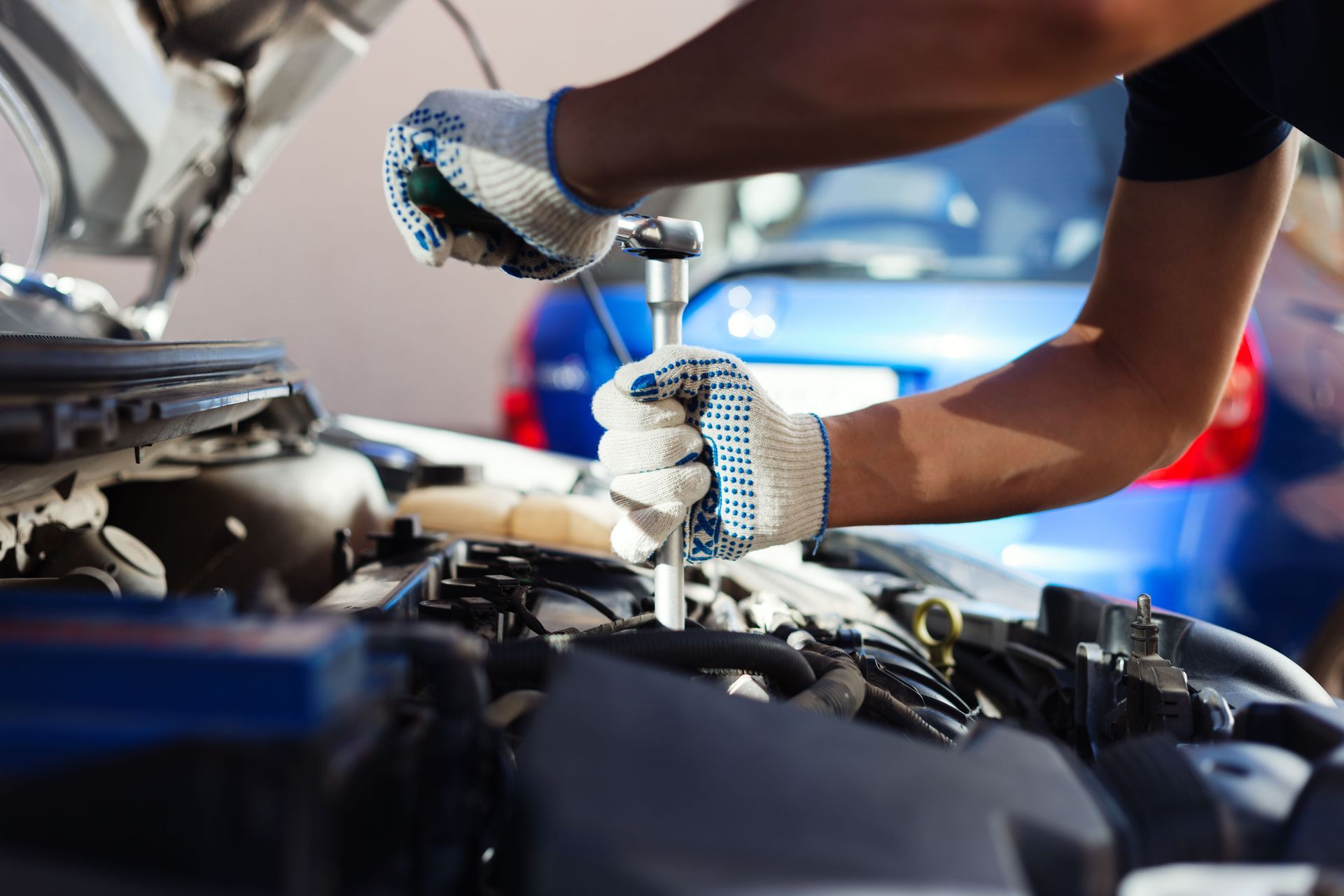
Preventive maintenance involves completing routine services before a noticeable mechanical problem develops. Oil changes, fluid checks, filter replacements, tire rotations, brake inspections, and other scheduled services allow technicians to monitor important vehicle components over time. Manufacturers typically provide maintenance recommendations based on mileage or time intervals, giving drivers a useful schedule to follow. Staying consistent with these services can help reduce unnecessary wear and provide opportunities to identify components that may need attention before they create more serious problems.
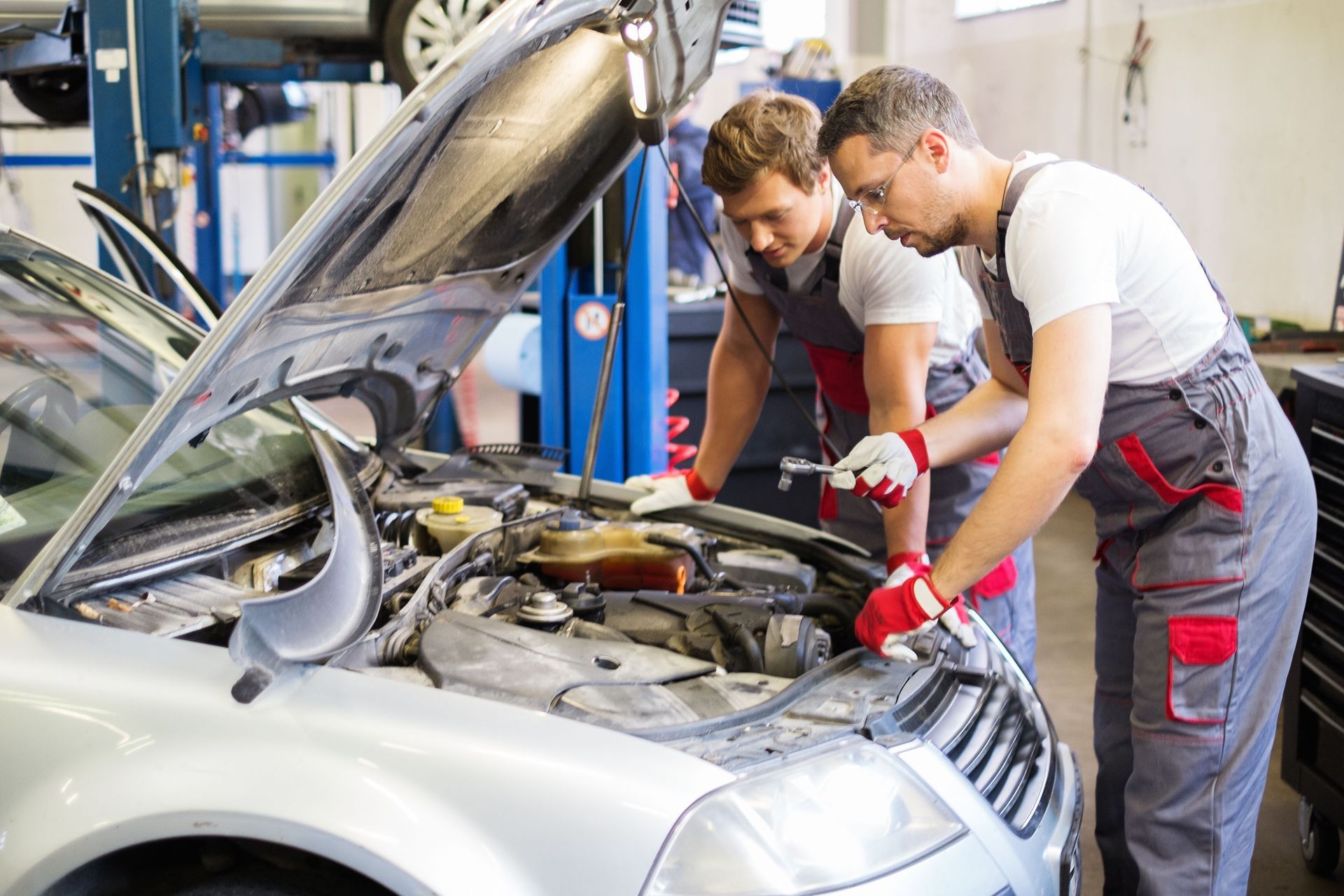
This proactive approach differs from car repair because the vehicle does not necessarily need to be malfunctioning when maintenance is performed. A driver may bring in a vehicle that seems to be operating normally for an inspection or scheduled service. During that appointment, a technician may notice worn brake pads, low fluid levels, aging belts, or other concerns that can be addressed before they affect the vehicle's operation. Preventive maintenance is therefore less about correcting an existing failure and more about supporting the continued performance of components that are still functioning.
Recognizing When Repairs Become Necessary
Repairs become necessary when a vehicle component has worn out, become damaged, or stopped functioning correctly. Warning lights, unusual noises, fluid leaks, poor braking performance, steering problems, overheating, and difficulty starting are all examples of symptoms that may indicate a mechanical issue. Unlike routine maintenance, which is usually scheduled in advance, repair needs can sometimes develop unexpectedly. Drivers should pay attention to changes in how their vehicle sounds, feels, or performs so problems can be evaluated promptly.
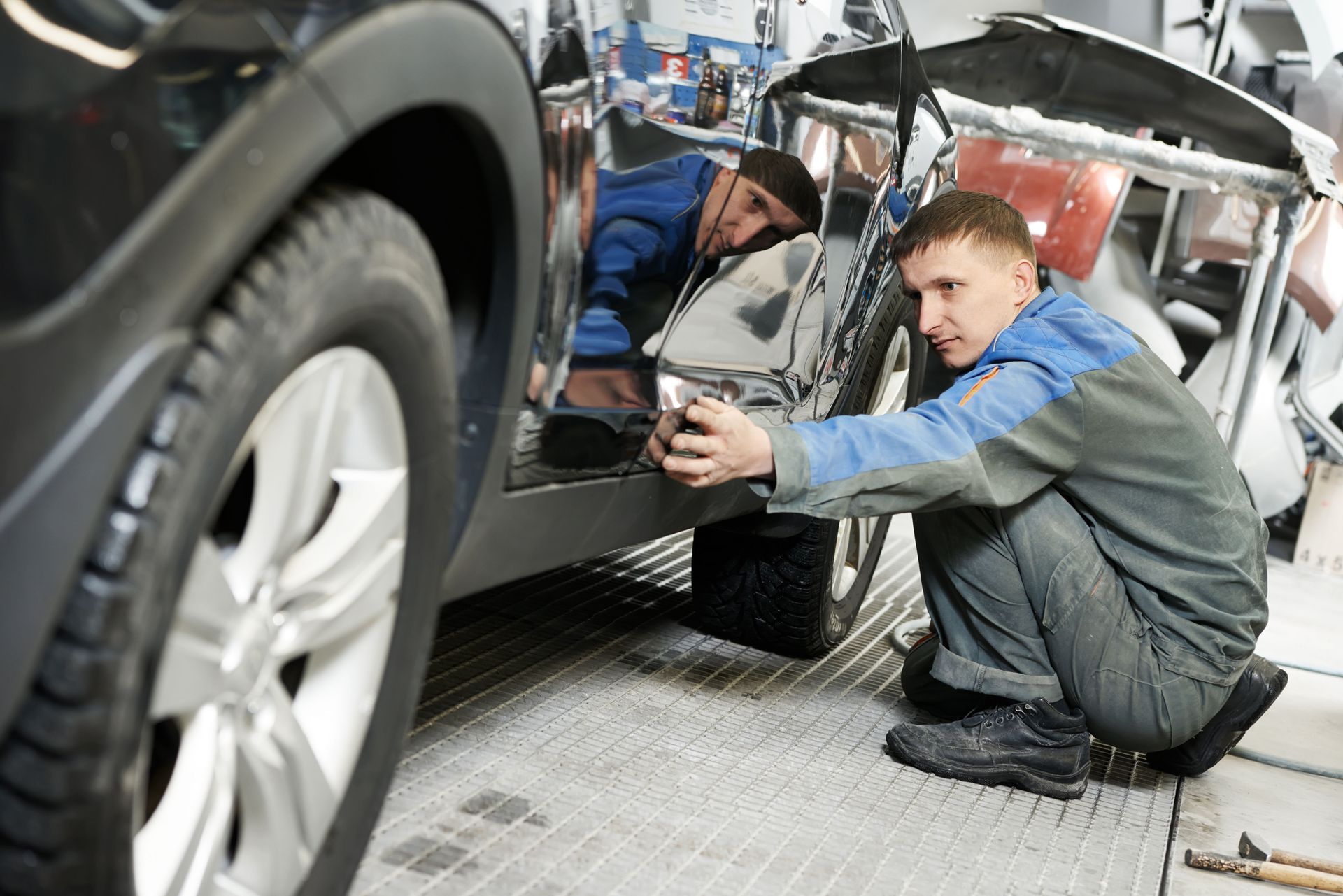
Professional car repair can involve anything from replacing a worn battery or damaged belt to addressing problems with the transmission, suspension, cooling system, or other major components. The extent of the work depends on the cause of the problem and how long it has been developing. Delaying service after symptoms appear can sometimes allow additional parts to become damaged. Having a technician diagnose the issue early can help determine what repairs are necessary and whether other related components should also be inspected.
Comparing the Costs of Maintenance and Repairs
One of the most noticeable differences between maintenance and repairs is how the costs are typically managed. Routine maintenance services are generally predictable because they occur according to mileage, time, or manufacturer recommendations. Drivers can anticipate services such as oil changes, tire rotations, and fluid replacements and include them in their regular vehicle budgets. Although maintenance represents an ongoing expense, it may help reduce the likelihood that neglected components will contribute to more extensive mechanical problems.
The cost of car repair can be more difficult to predict because repairs depend on which component fails and the amount of labor required to correct the problem. A minor repair may be relatively straightforward, while a problem involving a major engine, transmission, or electrical component may require more extensive work. Preventive maintenance cannot eliminate every unexpected expense, but keeping up with routine service may help technicians detect developing concerns sooner. Addressing smaller issues early can sometimes prevent them from becoming larger and more expensive problems.
Reducing the Risk of Unexpected Breakdowns
Routine maintenance can also help reduce the risk of inconvenient breakdowns. Technicians can inspect components that naturally wear with normal driving, including belts, hoses, brakes, tires, batteries, and fluids. Finding a cracked belt or weakened battery during a scheduled appointment gives a driver the opportunity to replace the component before it fails unexpectedly. This can be especially valuable for people who rely on their vehicles for commuting, family transportation, long-distance travel, or daily business activities.
Even with consistent maintenance, however, unexpected problems can still occur. Mechanical parts eventually wear, road conditions can cause damage, and certain failures may develop with little warning. When that happens, prompt car repair helps restore the vehicle to proper operating condition. Maintenance and repairs should therefore be viewed as complementary rather than competing approaches. Regular service can reduce certain risks, while professional repairs provide a way to address problems that cannot be prevented through routine maintenance alone.
Protecting Vehicle Performance and Longevity
Maintenance can have an important effect on how a vehicle performs as it accumulates mileage. Fresh fluids, properly inflated tires, clean filters, and components that are kept within recommended service intervals can help systems operate more efficiently. Regular inspections can also provide a clearer picture of how the vehicle is aging. According to LLCBuddy.com, on average, people keep their vehicles for 8.4 years. During that period, a vehicle may experience substantial mileage and wear, making consistent maintenance increasingly important as components age.
Timely car repair also contributes to long-term vehicle reliability by correcting issues before they affect additional systems. For example, ignoring a cooling system problem could eventually contribute to overheating, while postponing brake service could lead to additional wear. Repairs restore damaged or failing components, while preventive maintenance helps reduce avoidable deterioration. Together, these services can help drivers protect their investment and maintain more consistent performance throughout the years they own their vehicle.
Choosing the Right Service for Your Vehicle
Deciding whether a vehicle needs maintenance or a repair often depends on what the driver is experiencing. If the vehicle is operating normally but has reached a recommended mileage or service interval, preventive maintenance is usually appropriate. Drivers can consult the owner's manual and service history to determine which inspections or replacements may be due. Keeping accurate maintenance records can also make it easier to track completed services and avoid overlooking important items as the vehicle accumulates mileage.
If the vehicle is showing warning signs, scheduling car repair should take priority over waiting for the next routine maintenance appointment. Strange noises, dashboard warnings, leaks, vibrations, changes in handling, or other unusual symptoms warrant professional evaluation. A qualified technician can inspect the vehicle, identify the source of the problem, and recommend the appropriate service. After the immediate issue is resolved, returning to a regular maintenance schedule can help support the vehicle's condition and reduce the chance that other preventable concerns will develop.
Preventive maintenance and car repair serve different purposes, but both are essential parts of responsible vehicle ownership. Maintenance focuses on protecting functioning systems through scheduled inspections and routine services, while repairs address problems that have already developed. Keeping up with maintenance may help reduce wear, lower the risk of unexpected breakdowns, and make vehicle expenses more predictable, while timely repairs can prevent existing problems from becoming more extensive. Rather than choosing one approach over the other, drivers can benefit from combining routine preventive care with prompt attention to mechanical concerns. If your vehicle is due for maintenance or you have noticed signs that something is not working properly, contact Certified Transmission & Auto Repair.

Share On: